BVSCU will NEVER ASK FOR YOUR USERNAME, PASSWORD, OR VERIFICATION CODE. If someone asks, hang up and call BVSCU immediately at 281-391-2149.


Hurricanes can cause widespread destruction and devastation when they occur. However, advanced planning and preparedness can make a big difference in safety and recovery from a natural disaster.
Utilize the tips outlined below by FEMA and the Click2Houston weather team to keep you and your family safe this hurricane season.
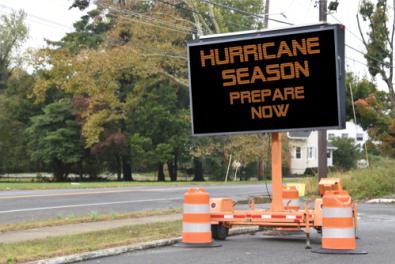
Prepare Yourself and Your Family
- Purchase the recommended emergency supplies and place in an easy-to-access location.
- Use a video camera to record your home and property. It will serve as a record for the insurance company if a claim is filed.
- Put all important paper documents, including photos, in zip lock plastic bags, and place in a portable container, such as a suitcase. It makes it easy to take with you if an evacuation is needed.
- Move important and valuable items, such as electronics, to the second floor or a high shelf to protect them from water.
- Have additional cash on hand for emergencies since ATMs may be out of service. In the event that you find yourself unable to reach a BVSCU branch, you can locate numerous ATMs available to BVSCU members here.
- Sign up for your local news/weather alerts and warnings.
- Fill your vehicle’s gas tank and make sure it is working properly
- Plan a safe evacuation route. Learn your community’s evacuation plan and identify several posted routes to leave the area. If the danger is significant, state or local government officials may issue an evacuation notice. If you are unable to evacuate find an emergency shelter nearest you.
- Create a family emergency communication plan. Landline and cellular phone systems are often overwhelmed following a disaster, so you may need to use text messages or social media to keep in touch. Keep important numbers written down in case you cannot access the contact list stored on your phone.
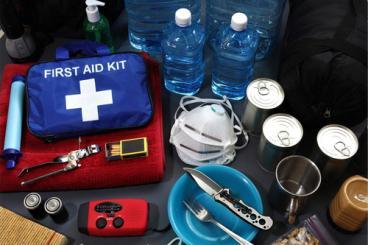
Build an Emergency Supply Kit
- At least a three-day supply of water and non-perishable food
- Baby Supplies
- Batteries and mobile phone chargers
- Battery-powered radio
- Cash and credit cards
- Clothing, blankets, and protective gear
- First aid kit, and whistle
- Flashlight and multi-purpose tool
- Important documents (I.D., passport, birth certificates, medical records, property records)
- Matches or lighter in a waterproof container
- Medications for at least one week and copies of prescriptions
- Personal hygiene items

Get Prepared Financially
- Check expiration dates on credit and debit cards.
- Manage and maintain access to your emergency funds.
- Be sure to have BVSCU routing number (313085288) and your personal account number(s) for access by direct deposit and funds transfer.
- Follow us on Social Media for updates on branch closures, modified lobby hours, etc.
- Facebook: https://www.facebook.com/BrazosValleySchoolsCreditUnion
- Instagram: brazosvalleyschoolscu
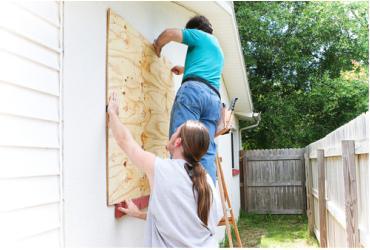
Protect Your Home
There are steps that as a property owner you can take to make your home or business more flood and high wind resistant. If you are a renter, be sure to speak with your landlord or property manager on steps you can take together to protect yourself, your family, and your property.
- Before the storm, bring in all unsecured items from the outside, such as lawn chairs, patio furniture, garbage cans, bicycles and barbecue pits. Place the items inside a garage.
- Bring your pets indoors prior to the storm.
- Tape or board windows to reduce the risk of broken glass.
- Anchor objects that are unsafe to bring indoors (e.g. gas grills and propane tanks).
- Keep gutters and drains free of debris.
- Reinforce or strengthen doors, windows, walls, and roofs.
- Review your insurance policies.
- Trim or remove trees that are close enough to fall and damage buildings.